SERIES · VINTAGE DÉCOR · OLD-WORLD FILAMENT
Old-world filament.
New-world efficiency.
Six named lamps for restoration interiors, hospitality renovations, and the rooms that ask the light to look like the building it's in. Built today with 25,000-hour rated life and the dimming behavior a modern control system expects.
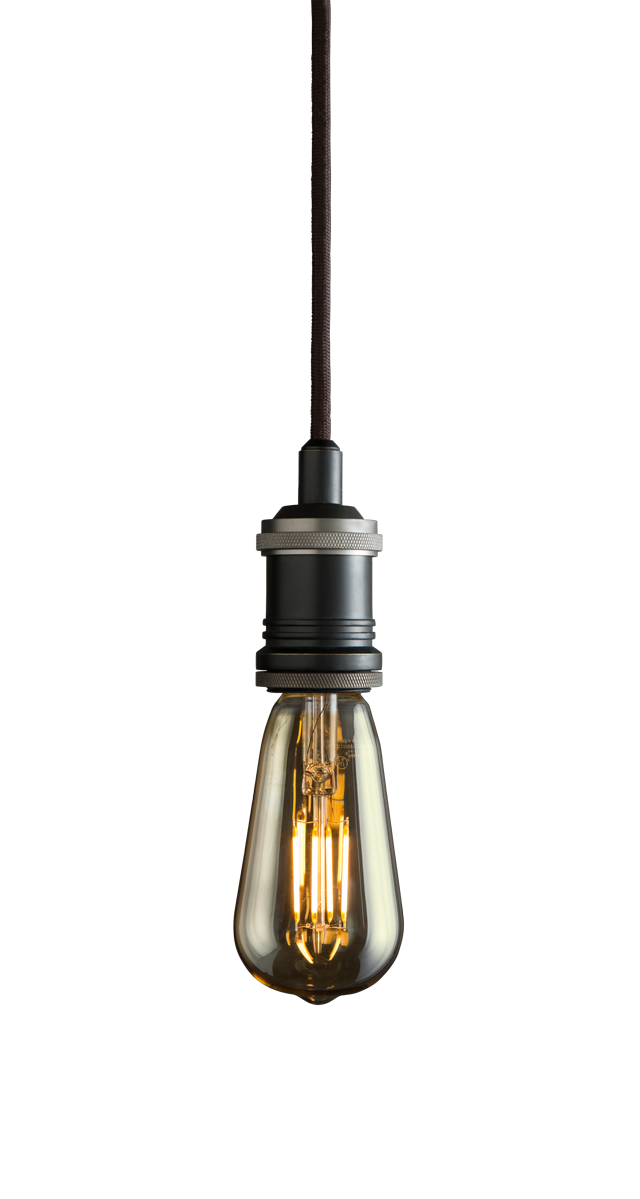
SERIES · THE FOUNDRY EDISON · 01 / 06
The lamp that introduced America to electric light, made today.
The Foundry Edison is the ST19 Edison silhouette — the exposed-filament tubular lamp that became the visual signature of the early industrial age. Named for the East Coast foundries that ran on Edison's patent and the bare-bulb pendant lighting of the workshops they operated.
Squirrel-cage filament geometry rendered in LED, sealed in the same shouldered tubular envelope, dimmed to 2200K — the candle hour. Where the original lamp shed soot, ours sheds 70% of the energy bill.
WHERE IT BELONGS
- · Restaurant bare-bulb pendant arrays · the tubular lamp on its own cord
- · Speakeasy / craft-cocktail bars · paired clear-glass for filament visibility
- · Coffee shop ambient overheads · 2200K candle-hour CCT for early-evening register
SERIES · THE BELGRAVIA VICTORIAN · 02 / 06
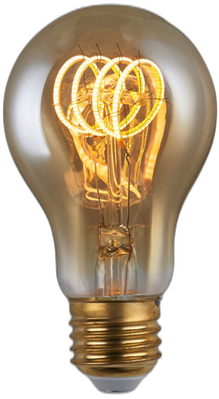
An A19 silhouette that belongs in a London townhouse.
Smoked, amber, or squirrel-cage style filaments inside the standard A19 envelope — the silhouette decorators specify when they want the filament visible without the lamp announcing itself.
WHERE IT BELONGS
- · Boutique hotels in heritage buildings · 4–12 lamps per chandelier
- · Restaurants in pre-war buildings · brass fixtures, exposed sockets, matching lamp
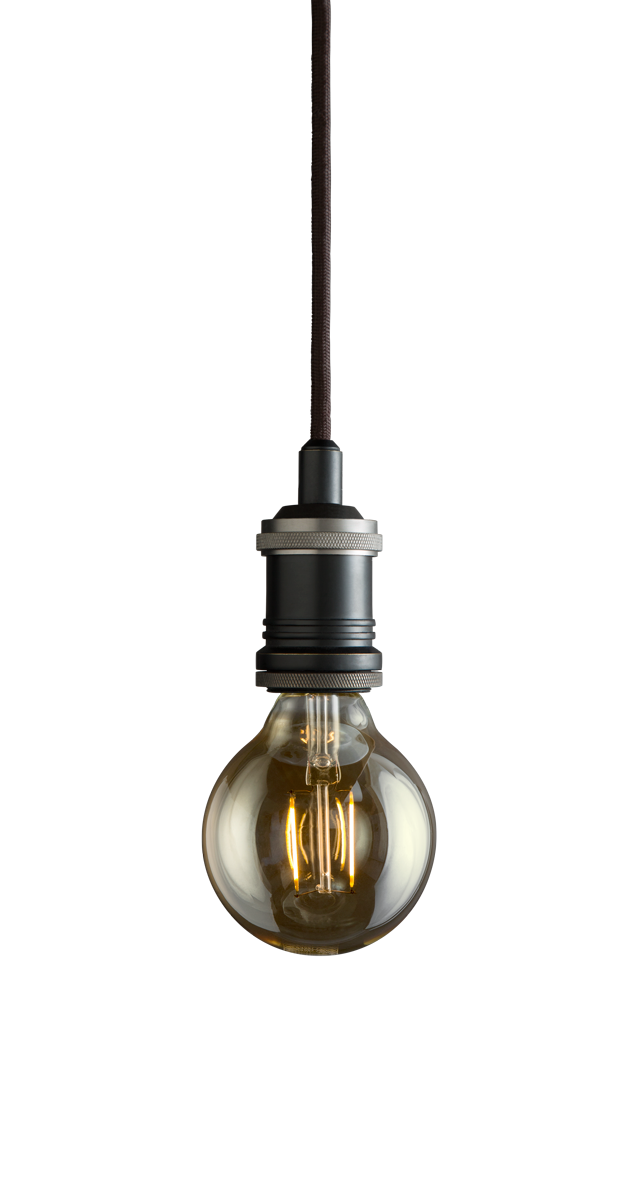
SERIES · THE PROVENCE GLOBE · 03 / 06
The globe lamp that looks like it belongs above the kitchen table.
The Provence Globe is the G25 and G40 globe silhouette — the lamp that makes the pendant it hangs from part of the menu. Named for the Provençal kitchens whose copper pots and amber-glass jars established the warm-light register a generation of restaurants now reproduce.
Amber and smoked finishes in two sizes (3" and 5" diameter). The lamp specified when "warm" isn't enough and "candle" isn't accurate.
WHERE IT BELONGS
- · Restaurant pendant arrays · 4–12 lamp chandeliers above bar / dining
- · Vineyard tasting rooms and farm-to-table interiors
- · Hospitality lobby focal pendants · single-statement applications
SERIES · THE MARCONI RADIO · 04 / 06
A tubular lamp that looks like an early radio tube.
The Marconi Radio is the T10/T14 tubular silhouette — the slender vertical lamp that became the visual cue for early-20th-century vacuum-tube electronics. Named for Guglielmo Marconi, whose radio tubes invented the silhouette that decorative lighting later borrowed.
WHERE IT BELONGS
- · Speakeasy and restoration interior accent fixtures
- · Industrial-chic bar shelving · bottle-display backlight
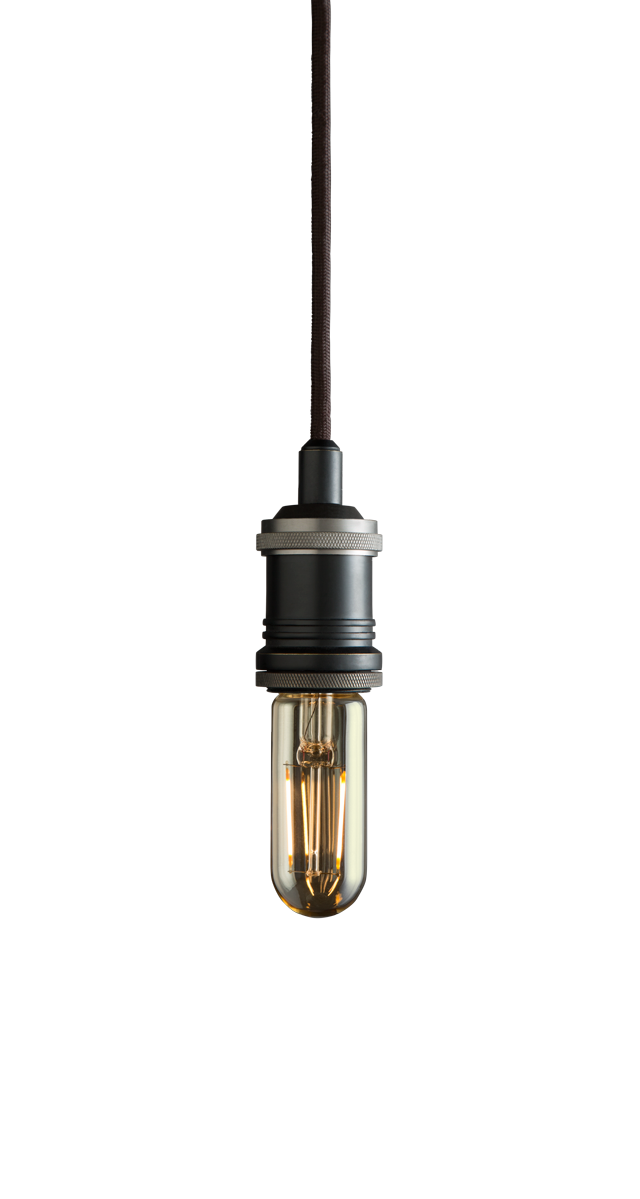
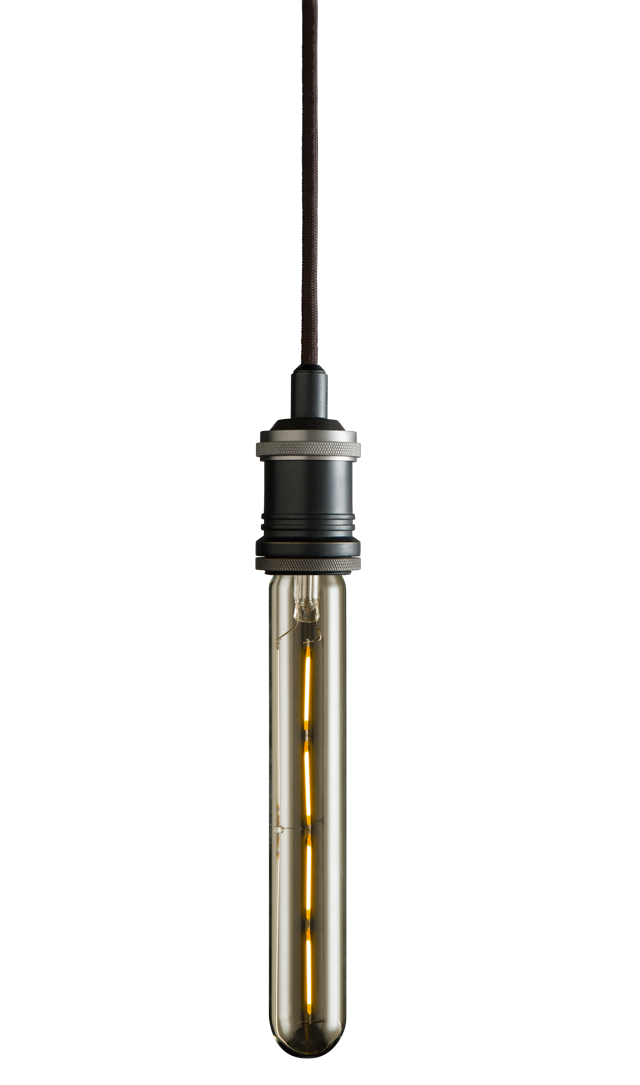
SERIES · THE BRIGHTON TUBULAR · 05 / 06
A broader tubular lamp for the long horizontal fixture.
The Brighton Tubular is the T9 broad-tubular — the lamp specified for long horizontal pendants, sign-back illumination, and the kind of fixture where a single lamp does a meter of light. Named for Brighton's seafront promenade, whose Victorian-era tubular lamp arrays still set the precedent for boardwalk lighting.
WHERE IT BELONGS
- · Long horizontal pendant fixtures above bar tops and chef's counters
- · Restaurant signage backlight · the tubular lamp behind the menu board
- · Seaside and boardwalk-restoration period lighting
SERIES · THE GLASGOW CANDELABRA · 06 / 06
A candelabra that earns its place above the dining table.
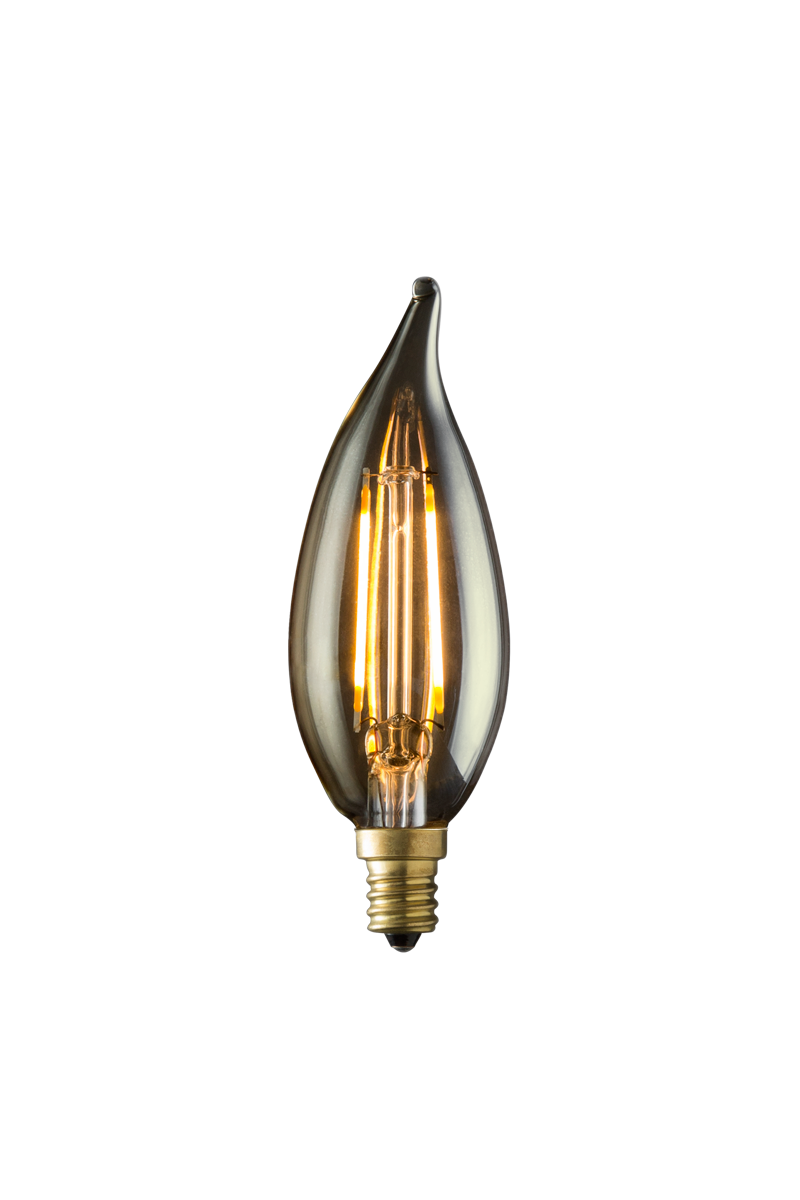
The Glasgow Candelabra is the CA10 flame-tip candelabra in the Vintage register — amber-finish glass, twisted-flame envelope, vertical filament. Named for Glasgow's tea rooms and the Charles Rennie Mackintosh interiors that defined what "decorated light" meant before electricity made the decoration optional.
CA10 amber for chandelier installations where the lamp itself is part of the architectural composition. Paired commonly with the Bauer CA10 from the Nostalgic series — the same shape in two registers, the architect picks.
WHERE IT BELONGS
- · Formal dining-room chandeliers · 6–12 lamps per fixture
- · Heritage building interior reproductions
FILAMENT TECHNOLOGY · OLD SHAPES, NEW BEHAVIOR
The filament you see was drawn to look like 1908. The behavior is unmistakably modern.
SQUIRREL-CAGE GEOMETRY
Multiple parallel LED strands shaped into the cylindrical cage that defined Edison's 1880s carbon-filament lamps. Visible filament structure for clear-glass applications.
VERTICAL-LOOP GEOMETRY
Single continuous LED strand looped vertically through the envelope — the geometry of the early carbon-arc lamp. Used in ST19, T10, and T14 tubular envelopes.
TWISTED-FLAME GEOMETRY
LED strand shaped into the twisted-flame silhouette of early candelabra mantles. Used in CA10 candelabra and B11 chandelier lamps where the filament is the design feature.
CAPABILITY PROOF · WHY RESTORATION SPECIFIES THIS SERIES
A lamp that respects the building it lives in.
01
Period-accurate filament geometries
- · Filament geometries documented against pre-1940 lamp catalogs · ST19 / G25 / G40 / T10 / T14 / CA10 envelopes
- · Glass finishes (smoked / amber / squirrel-cage) hand-graded per envelope to match the period reference
- · No visible LED chip in any lamp — the filament IS the visual
02
Reproducible warmth across order quantities
- · 2200K candle-hour CCT across all 6 named lamps · ±50K binning tolerance
- · Tight color binning (3-step MacAdam) for installations of 6+ lamps in one fixture
- · Replacement-lamp consistency across 3+ year restoration project lifecycles
03
Custom & restoration capability
- · Custom filament geometries available at 500+ unit orders for restoration projects
- · Co-developed with restoration architects and historical-society lighting consultants
- · Heritage-building-compatible warranty (50,000-hour rated where dimming protocols allow)
Expanded to meet CEC T.20/T.24
Ready to spec the restoration?
Samples from US warehouses. Heritage-binning documentation for restoration submittals. Spec response under 24 hours.